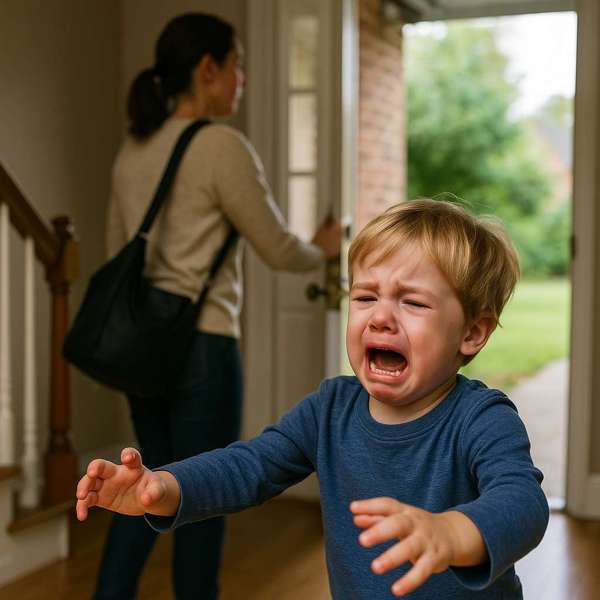
It is most often associated with young children, but adults can experience it too.
With the right strategies, separation anxiety can be reduced with care and patience.
Understanding Separation Anxiety
Separation anxiety is a condition where a person becomes anxious when separated from a loved one.
It can manifest in several forms, including:
- Emotional breakdowns when apart
- Fear of being alone
- Feeling sick due to worry
Why It Happens
There are many reasons someone may develop separation anxiety.
Common causes include:
- Moving to a new place
- Divorce or separation in the family
- Overprotective parenting
- Mental health disorders
How to Recognize It Early
Early detection of separation anxiety can help in addressing it quickly.
Look out for these red flags:
- Fearful reactions to separation
- Avoiding school or social activities
- Insomnia or restlessness
Helping Kids Cope with Separation
Supporting children through separation anxiety requires patience, routine, and reassurance.
Useful parenting tips:
- Say goodbye consistently
- Use positive reinforcement
- Practice independence-building activities
- Avoid sneaking out
Managing Anxiety in Grown-Ups
It's important not to ignore the symptoms and seek help, self-awareness, or therapeutic tools.
Coping methods include:
- Therapy or counseling
- Using relaxation techniques
- Building a support network
- Challenging irrational fears
Knowing When It's Serious
If separation anxiety is affecting relationships or education, it may be time to seek help.
When intervention is needed:
- Persistent, intense fear of separation
- Physical health issues linked to anxiety
- Inability to function independently
Conclusion
With early detection and strong coping strategies, people of all ages can learn to live fully.
Whether it’s a child learning to go to school or an adult check here adjusting to change, the journey takes tools and encouragement.